Treatise on
heart disease
in Indians
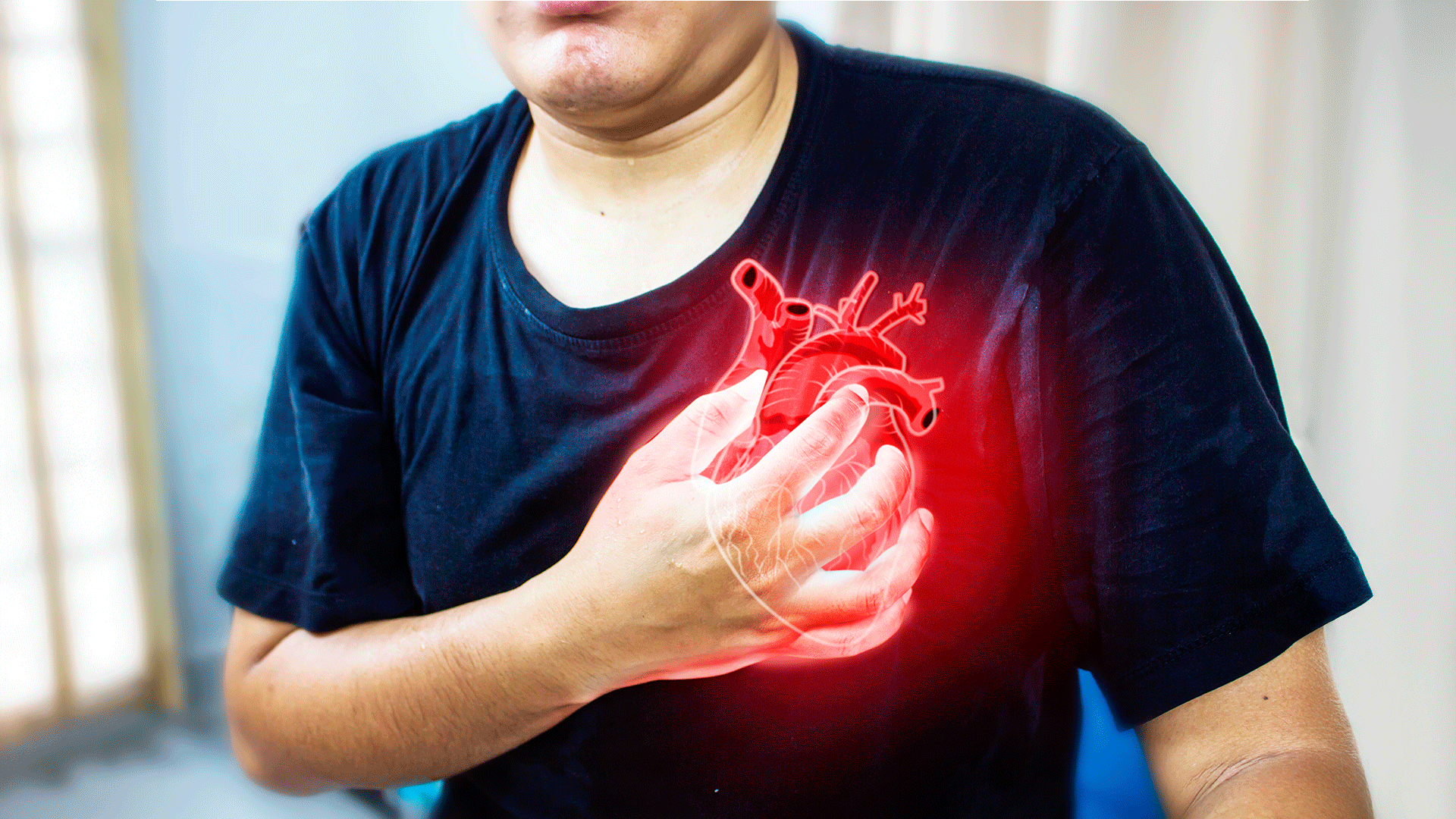
A heart attack can strike suddenly, and every minute counts.
Heart disease often begins silently in childhood, adolescence, or young adulthood, progressing over decades without symptoms. It eventually manifests as a heart attack, which can lead to sudden death or severe heart muscle damage resulting in long-term disability. Heart disease may be compared to pregnancy—often silent and gradual—while a heart attack is like childbirth, the dramatic culmination of that process. In other words, heart disease is a process; a heart attack is an event.
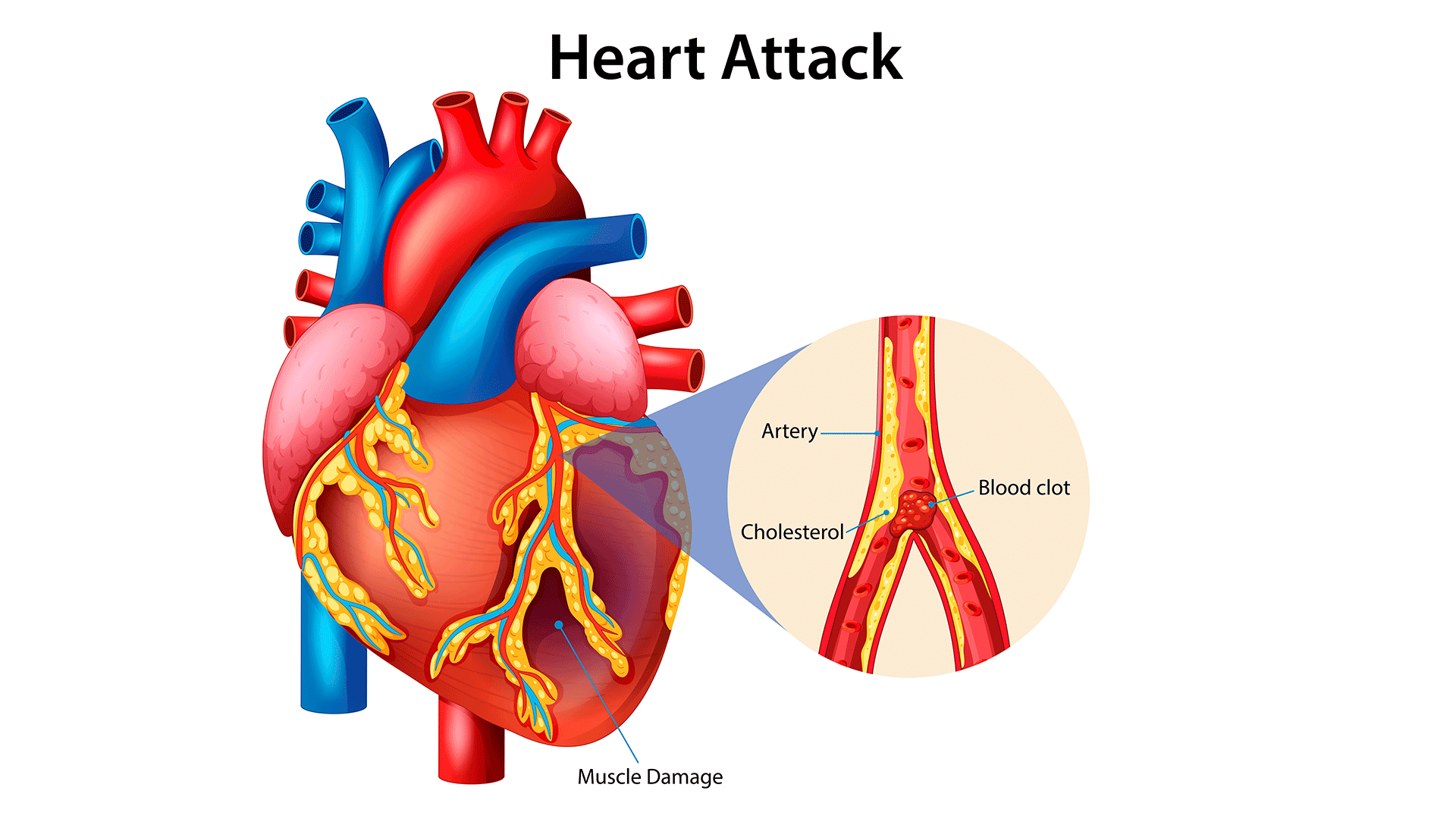
A heart attack—medically called a myocardial infarction—occurs when a coronary artery becomes suddenly blocked, cutting off oxygen supply to part of the heart muscle and causing tissue damage. Common warning signs include chest pain, shortness of breath, nausea, and sweating, though some heart attacks may occur without noticeable symptoms. Rapid recognition and treatment are especially vital in the case of a severe type known as ST-elevation myocardial infarction (STEMI). In such emergencies, every minute counts: timely action can save heart muscle—and lives. (Chapter 11)
Heart disease and heart attacks claim about ten million lives around the world each year. Death rates vary nearly tenfold between countries—lowest in Japan and France, and highest in Russia and Ukraine. Roughly 70 to 75 percent of all heart disease deaths occur after age seventy (and as high as 80 to 85 percent in the United States), reflecting what is often considered the natural life span in most societies. Deaths before age seventy are therefore viewed as premature, cutting short productive years and inflicting deep emotional and economic losses on families and nations alike.

Heart Disease and Premature Deaths
In India, heart disease strikes much earlier and more aggressively. Nearly 25 to 30 percent of all deaths from heart disease occur before age fifty, and 35 to 40 percent before age sixty—compared with less than 10 percent in Western countries. Globally, only 4 to 6 percent of heart disease deaths occur before age fifty (8 to 10 percent in low- and middle-income nations, and just 2 to 4 percent in high-income ones). A heart attack or death before age fifty is considered young, and before forty, extremely young.
No group in the world bears the burden of early heart disease as heavily as Indians. They are hit younger, harder, and more often than any other population—accounting for nearly one-third of the world’s early (under-fifty) heart disease deaths, despite representing less than one-fifth of humanity. Even in their thirties and forties, many require stents for multiple blocked arteries. Recognizing this stark reality, the American Heart Association now lists South Asian (Indian) ancestry itself as an independent risk factor for coronary artery disease. (Chapter 1)
The silent killer hiding in arteries with no symptoms
Heart disease begins with plaque buildup in the arteries—and even vessels that look open can rupture without warning. One in five heart attacks strikes silently, and two-thirds of sudden cardiac arrest victims never had a diagnosis. Stress tests often miss the danger, but coronary calcium (CAC) scoring can reveal hidden risks long before it’s too late. (Chapter 2)
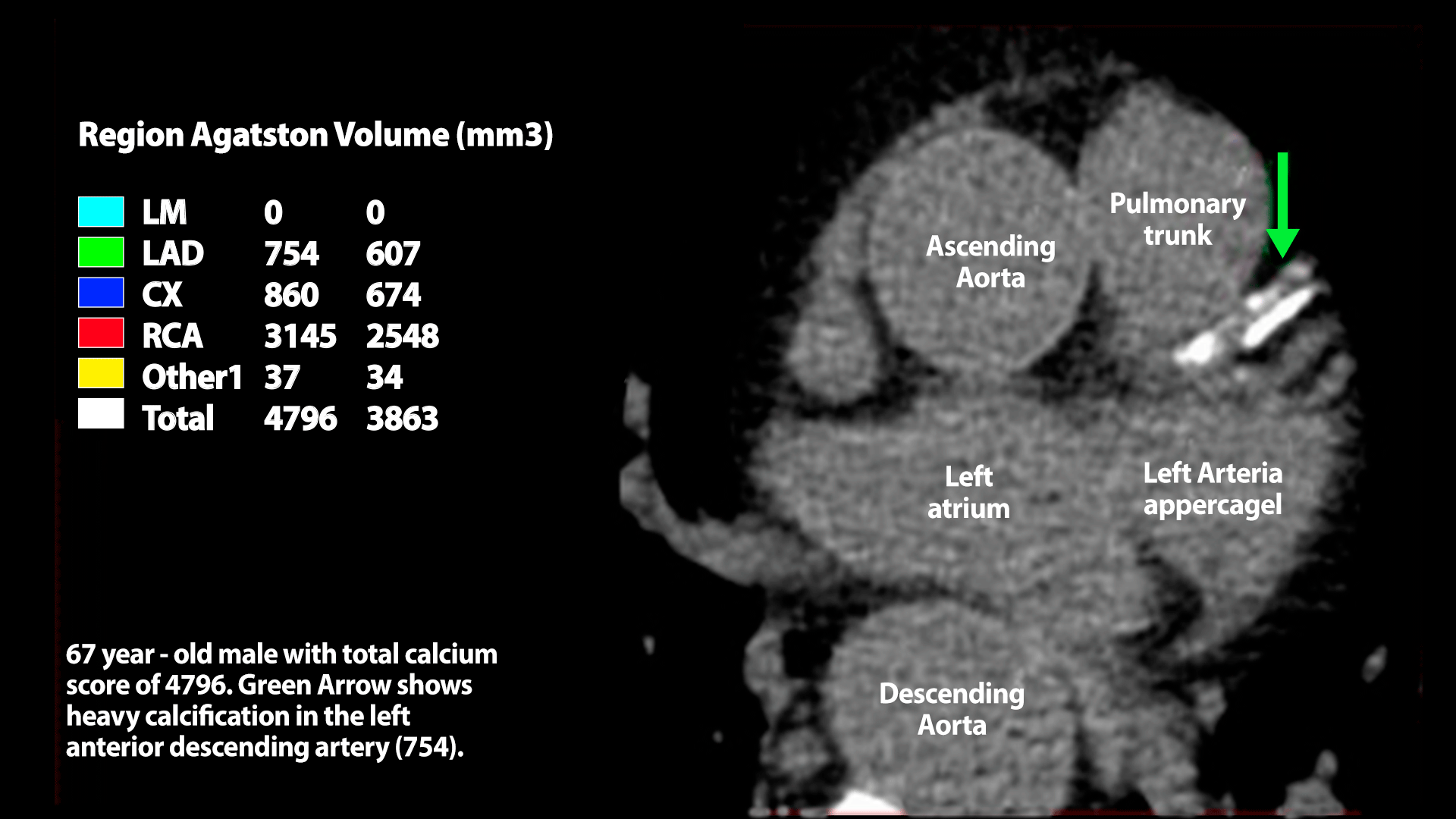
Your heart’s “calcium score” predicts risk better than stress tests or angiograms
A coronary calcium (CAC) score of zero means very low risk—but once it rises above 100, statins are recommended. A score over 300 signals a danger level equal to someone who’s already had a heart attack, stroke, or bypass surgery. When combined with other risk factors, CAC scoring becomes a powerful tool to predict—and prevent—future heart attacks. (Chapter 2)

Tobacco still kills 8 million every year—even as smoking rates fall
Global smoking is at record lows, and India has cut rates in half, yet tobacco—especially smokeless forms—remains a massive killer. Decades of research prove it fuels heart disease, stroke, and early death, while quitting slashes risk. The push for a tobacco-free world by 2050 demands stronger action against an industry fighting to survive. (Chapter 4)

High blood pressure—a global crisis with devastating consequences for India.
Silent Killer on the Rise: Hypertension now affects 1 in 4 adults worldwide—and India faces one of the deadliest burdens. With only 15% of patients controlling their blood pressure, millions of lives are at stake. Discover why this crisis is exploding, what new guidelines mean for you, and how better treatment could save 4.6 million Indian lives by 2050. (Chapter 5)

Diabetes is exploding into a global epidemic, and India is at its epicenter.
India is on track to surpass 100 million diabetes cases by 2030—many undiagnosed until complications strike. Indians develop the disease earlier, at lower body weight, and with greater risk of heart, kidney, and pregnancy-related complications. With only 7% achieving triple control (Hemoglobin A1C, blood pressure and cholesterol), the stakes are enormous—but new breakthrough drugs now offer hope for protecting both heart and kidneys. (Chapter 6)
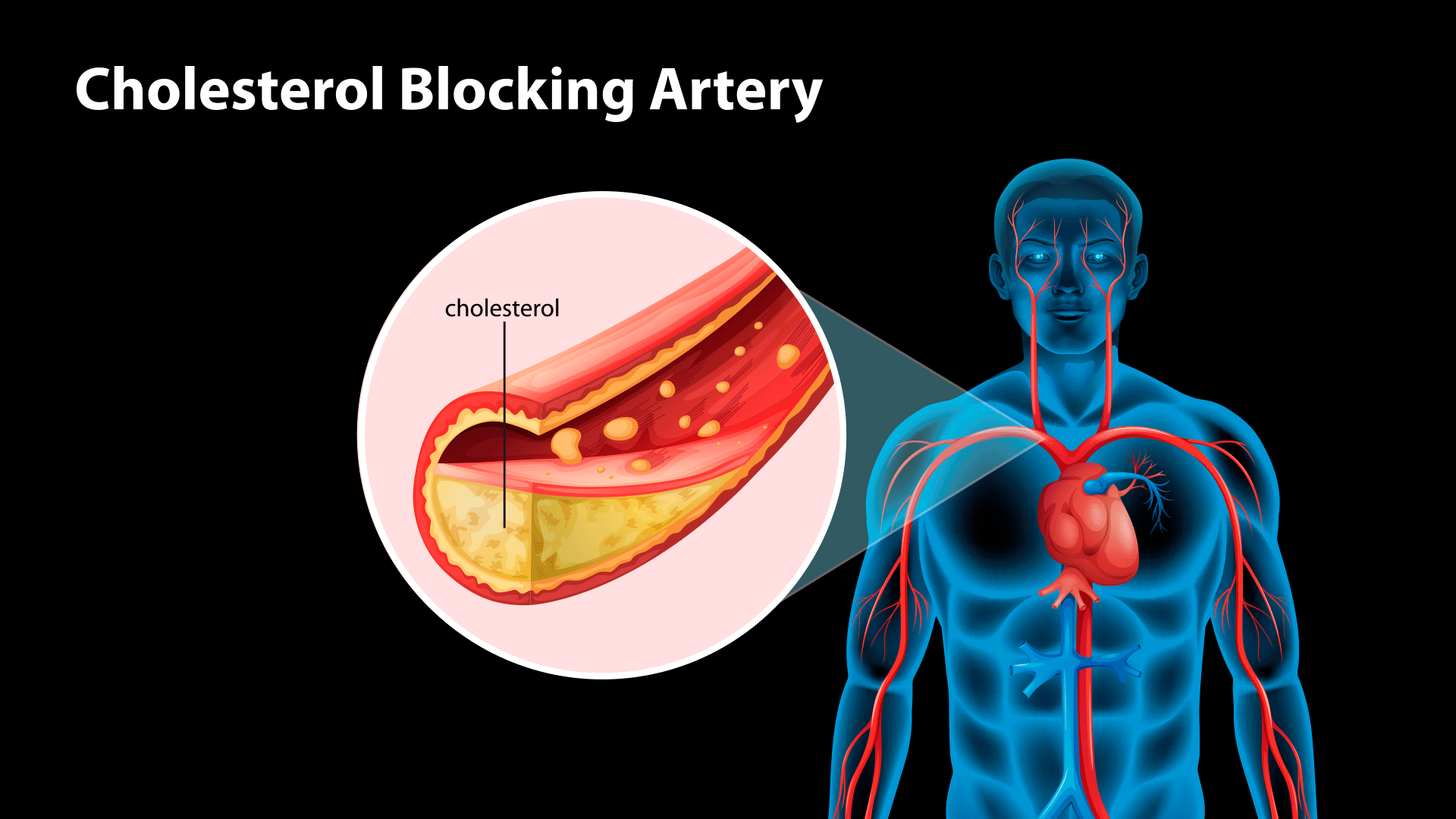
Cholesterol may be silent, but it is the single biggest driver of heart disease and heart attacks worldwide—and even more dangerous for Indians.
Plaque buildup starts early and rises with LDL exposure every year. For Indians—who often have higher triglycerides and ApoB—the risk of early, severe heart disease is especially high. New evidence shows that non-HDL cholesterol is a stronger predictor than LDL alone, yet few are tested or treated to target. Achieving stricter cholesterol goals—cholesterol of 140, LDL <70, non-HDL <100—along with lifestyle changes, could dramatically cut India’s cardiovascular toll. (Chapter 7)
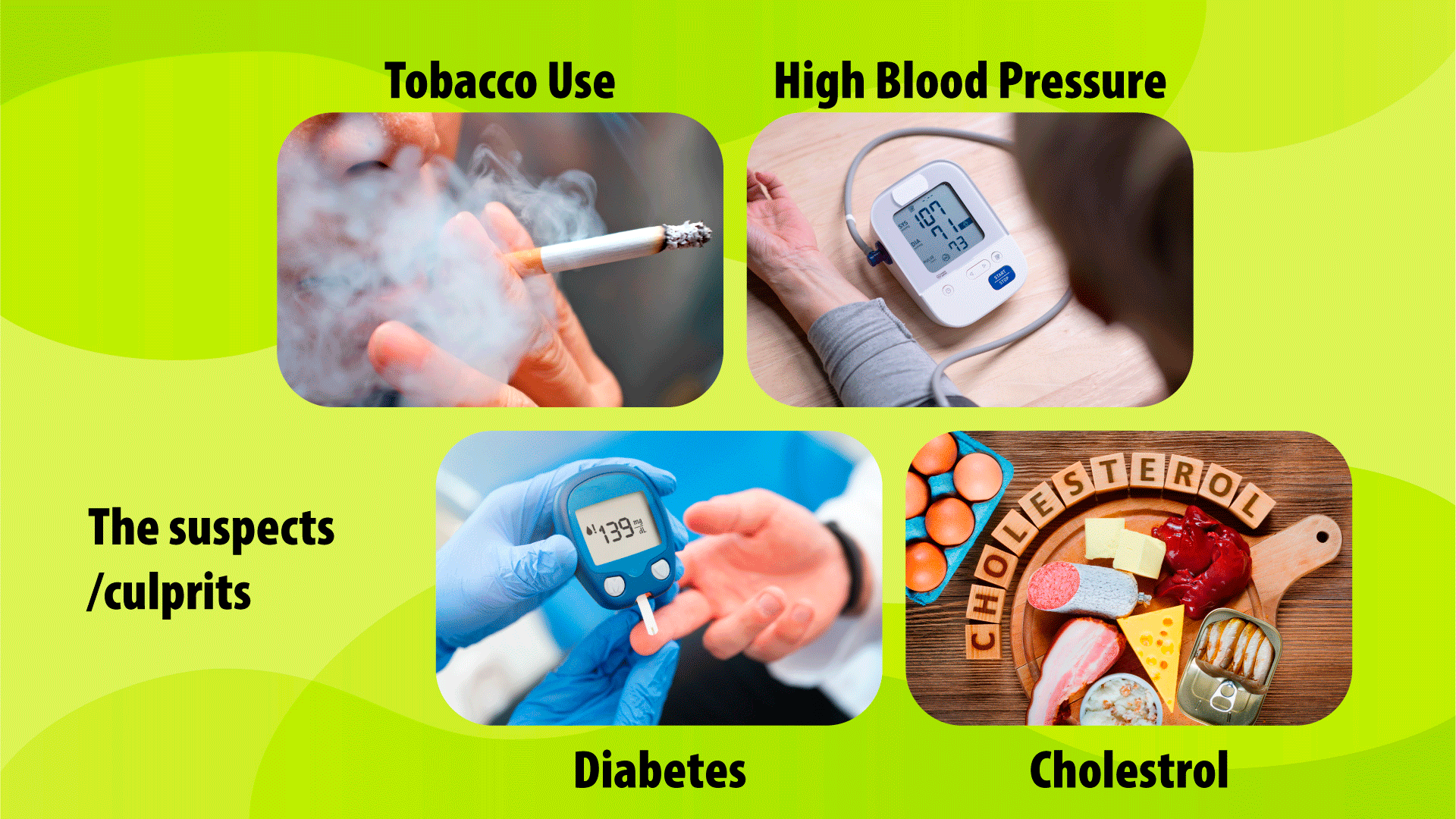
The usual suspects aren’t under control—and Indians pay the price
High blood pressure, cholesterol, diabetes, and smoking drive heart disease worldwide. While smoking is down in India, the other three remain poorly controlled. Worse, standard risk calculators underestimate the true danger—especially for Indians. (Chapter 3)
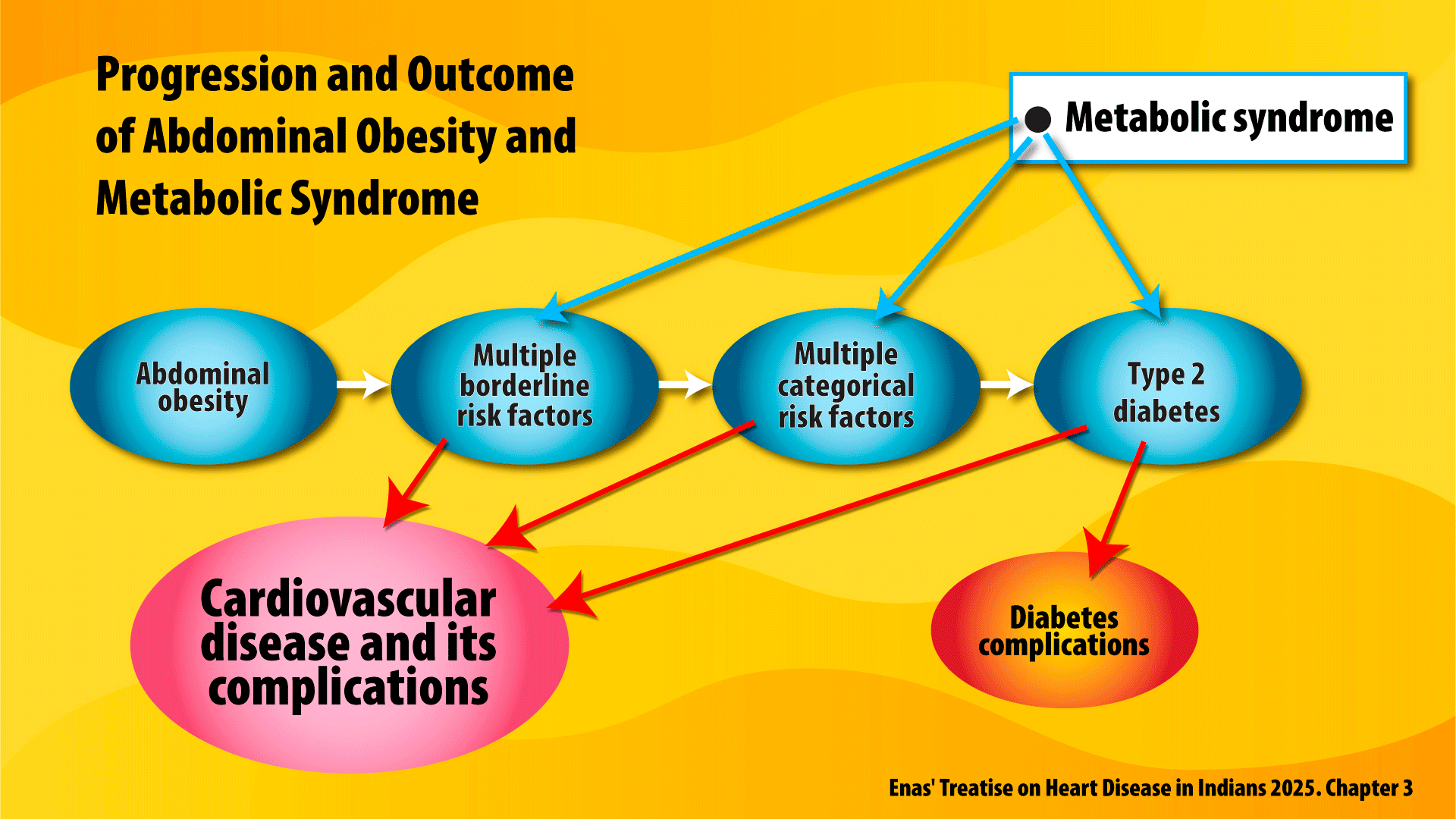
Abdominal obesity and cardiovascular risk
Abdominal obesity drives cardiovascular disease even without overall obesity or diabetes. Indians face heightened risk due to greater visceral fat despite normal BMI, warranting lower thresholds for defining obesity and overweight. (Chapter 3).
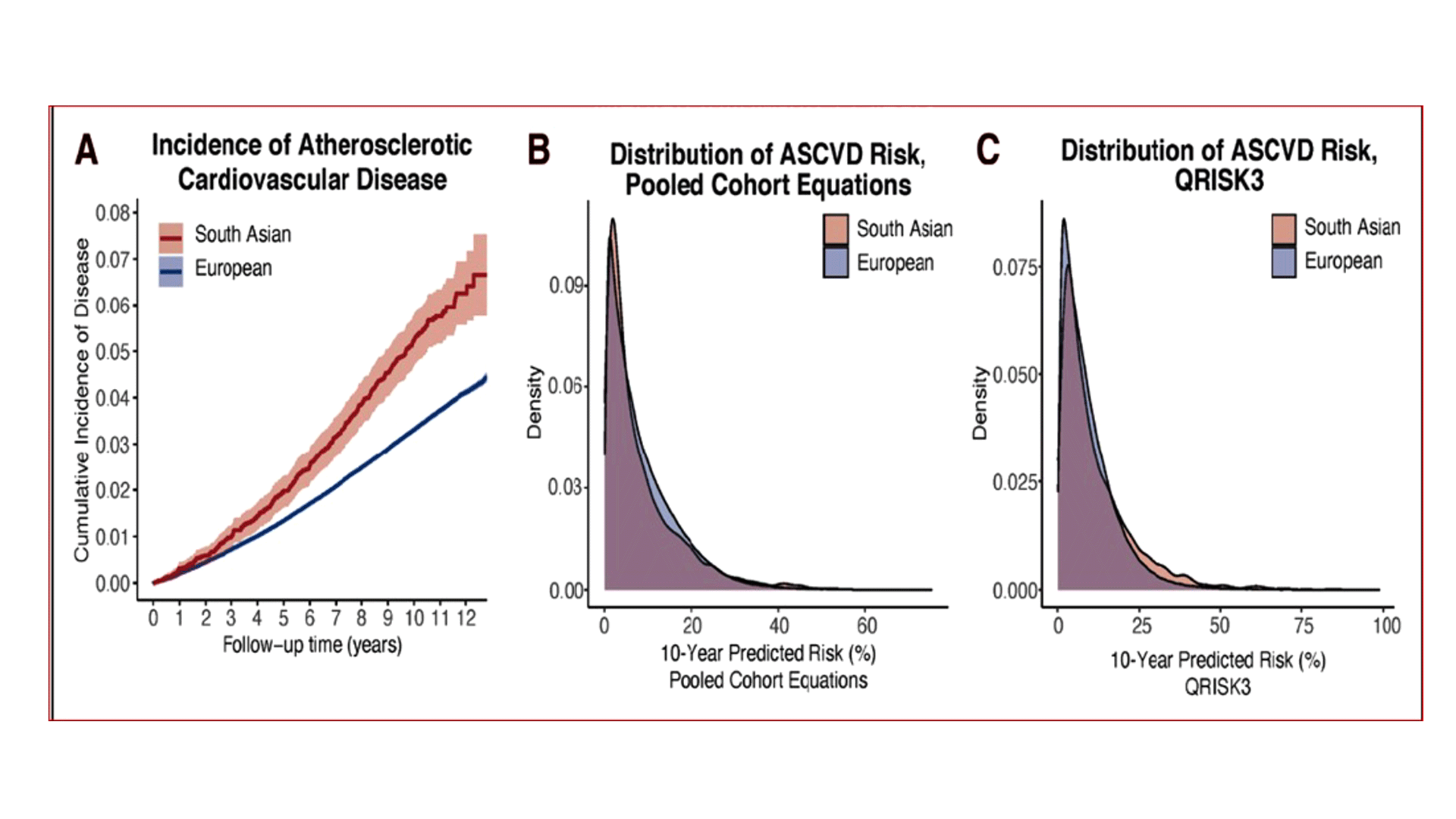
The Indian paradox: when standard risk scores fall short
The Coronary Artery Disease in Indians (CADI) Study of 1,688 Indian physicians and family members in the U.S. revealed striking disparities: heart disease was three times higher in Indian men than in the Framingham Offspring study, despite less smoking and obesity. Conventional risk factors could not explain this excess. Enas et al., through the pioneering CADI Study, were the first to identify and report elevated lipoprotein(a) levels in about 25% of Indians—a key finding that helped explain their heightened risk of heart disease.
In the landmark United Kingdom Biobank Prospective Cohort Study (UKPDS) of nearly 500,000 Whites and South Asians, South Asians had double the incidence of new heart attacks than predicted by European (QRISK3) and American (PCE) risk prediction equations. The UKPDS has confirmed what was observed in the landmark study involving Indian American physicians, published in 1996. Both equations include all major risk factors but not Lipoprotein(a). This “Indian Paradox” exposes a critical gap in global heart disease prevention—one that can only be addressed through ethnicity-specific risk assessment and inclusion of lipoprotein(a) in future predictive models. (Chapter 3)
.
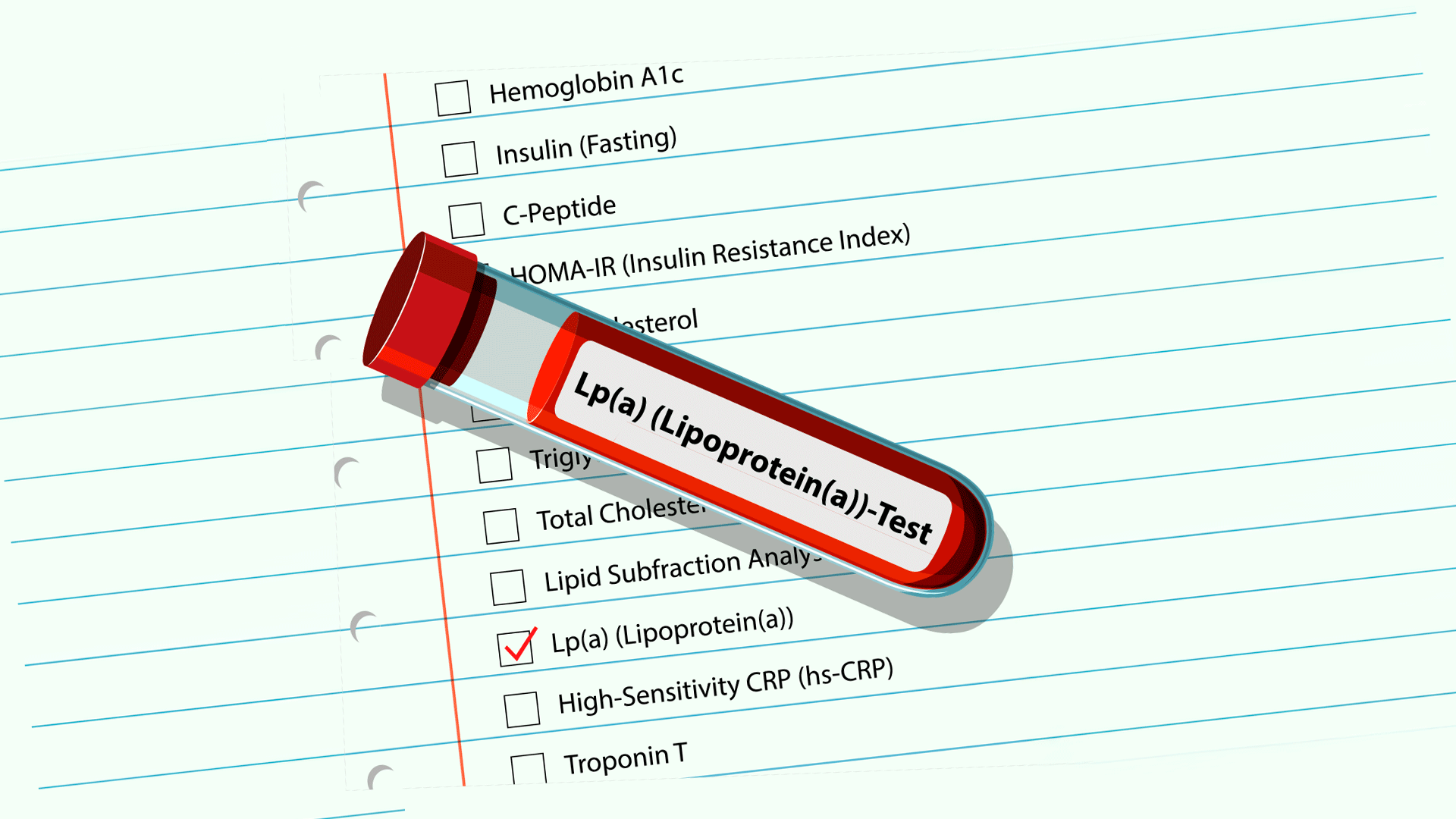
A hidden genetic risk factor—lipoprotein(a)—is driving early and deadly heart disease, especially among Indians.
Lp(a) is at least 3 times more common than diabetes among Indians. One in five people have high Lp(a), but in Indians the rate climbs to 1 in 4—fueling heart attacks and strokes often before age 50. Highly pro-inflammatory, pro-atherogenic and pro-thrombotic, Lp(a) magnifies risk nearly fivefold when combined with high LDL, diabetes, or calcium buildup in the arteries. A once-in-a-lifetime test can reveal your risk, while new breakthrough therapies on the horizon may finally target this silent but devastating threat. (Chapter 8)
.
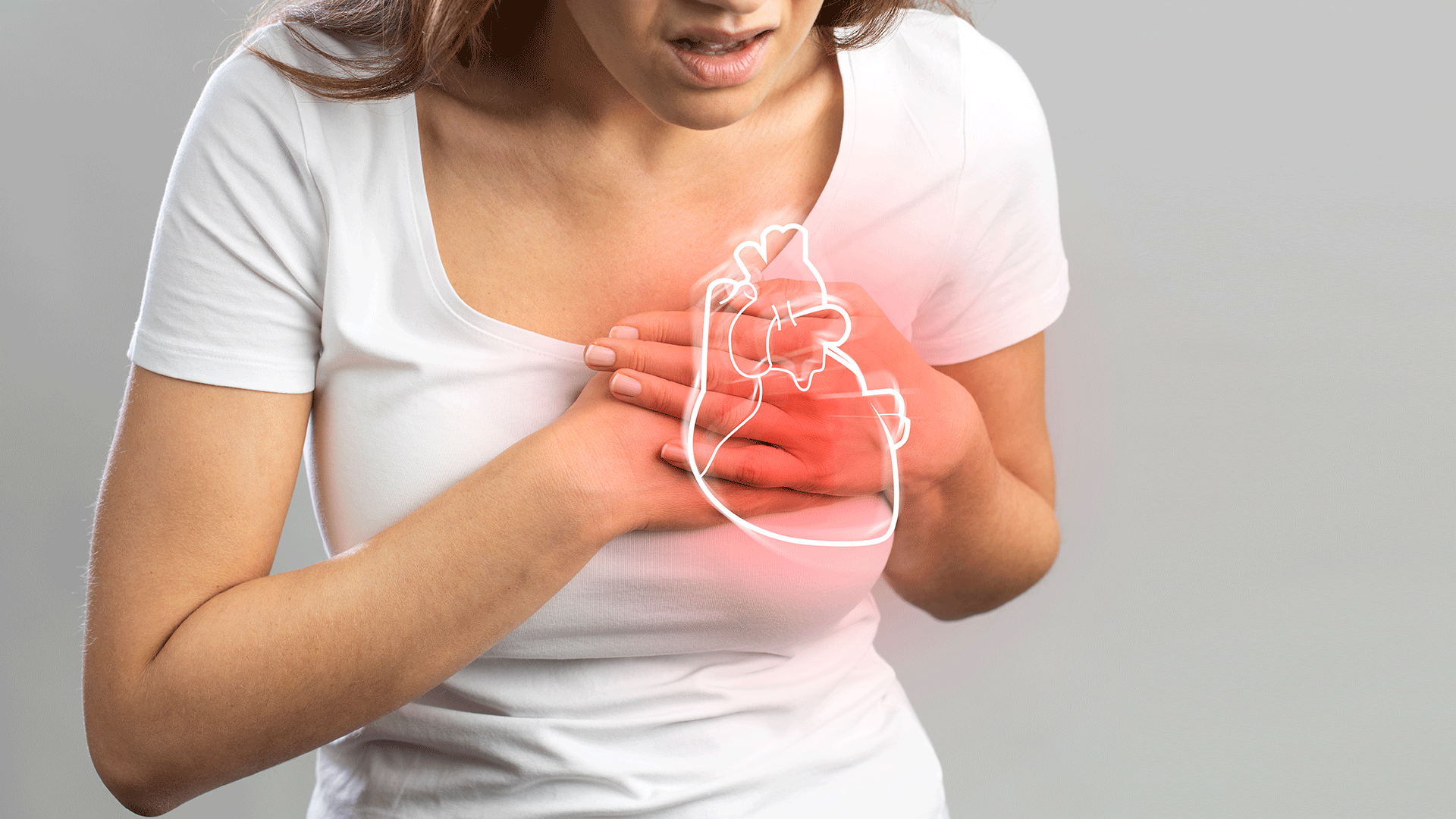
Heart disease is the no. 1 killer of women—but too often, it goes unrecognized and undertreated.
Despite having fewer risk factors than men, young women face unique threats such as pregnancy complications, early menopause, and post-menopausal changes that accelerate heart disease. Yet across the world—and especially in India—women are less likely to be diagnosed promptly, receive life-saving procedures, or get guideline-based therapy. Premature, severe CAD in young Indian women underscores the urgent need to close both biological and social gaps in care.
(Chapter 9)
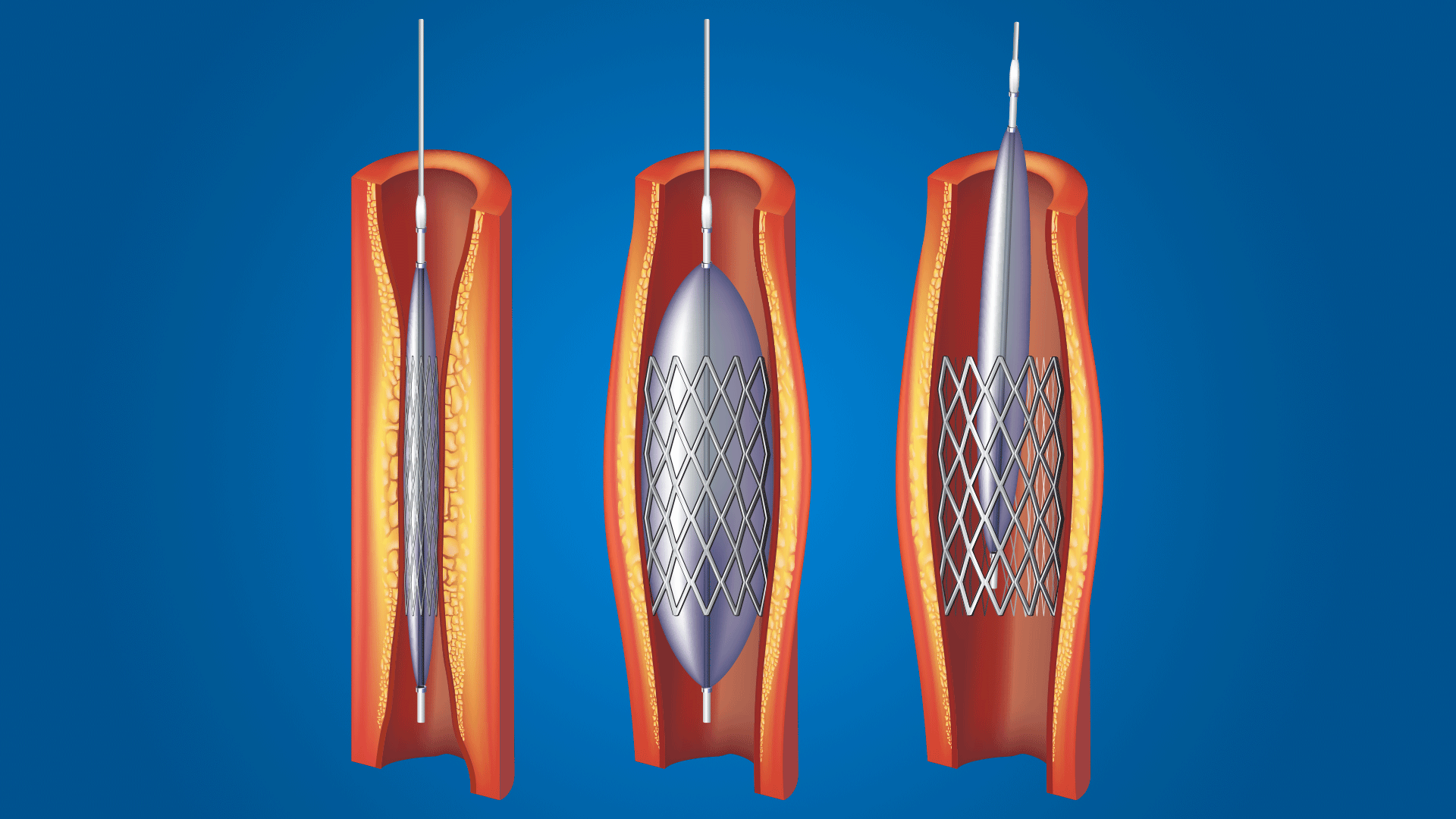
Once a near-certain killer, heart attacks are now highly survivable—if the right treatment is given in time.
Breakthroughs in emergency care, especially primary angioplasty (PPCI), have cut hospital death rates to just 2–3% in high-income countries like the United States. Just as critical, secondary prevention with four cornerstone medicines and lifestyle changes slashes the risk of another heart attack by up to 80%. Yet in India and other low- and middle-income countries, reliance on clot-busting drugs and limited access to proven therapies keep outcomes far behind—highlighting the urgent need for wider access to lifesaving care. (Chapter 11)
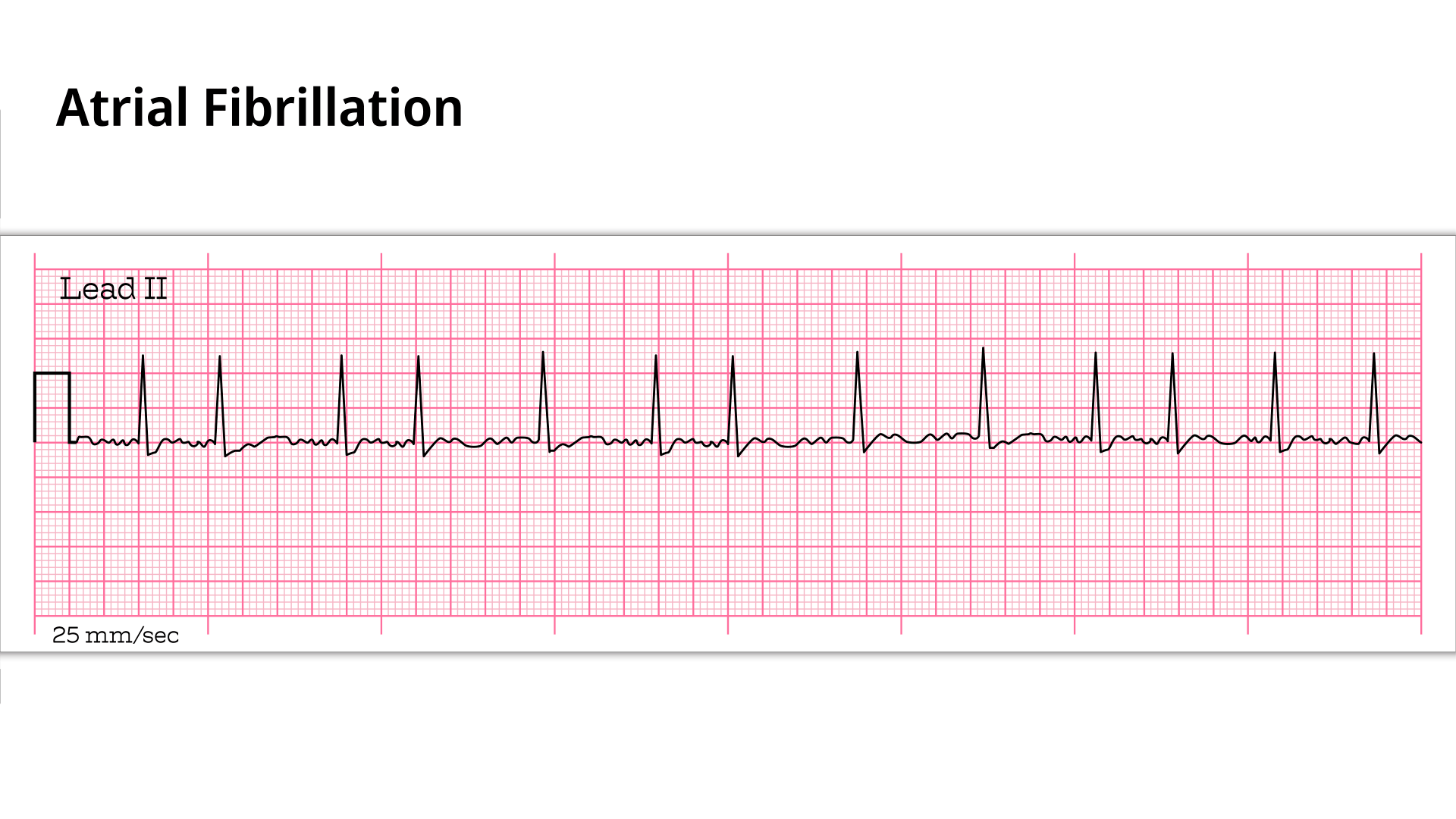
Atrial fibrillation (AF) isn’t just an irregular heartbeat—it’s a dangerous rhythm that doubles the risk of death.
Closely tied to coronary artery disease through shared risks like hypertension, diabetes, and obesity, AF multiplies the danger of stroke, heart failure, and early death. There is a 2-fold risk of death within a year if untreated—yet early recognition and management can change the course. From rhythm control and medications to newer oral anticoagulants that protect against stroke more safely than older drugs, timely care is critical to saving lives. (Chapter 12)
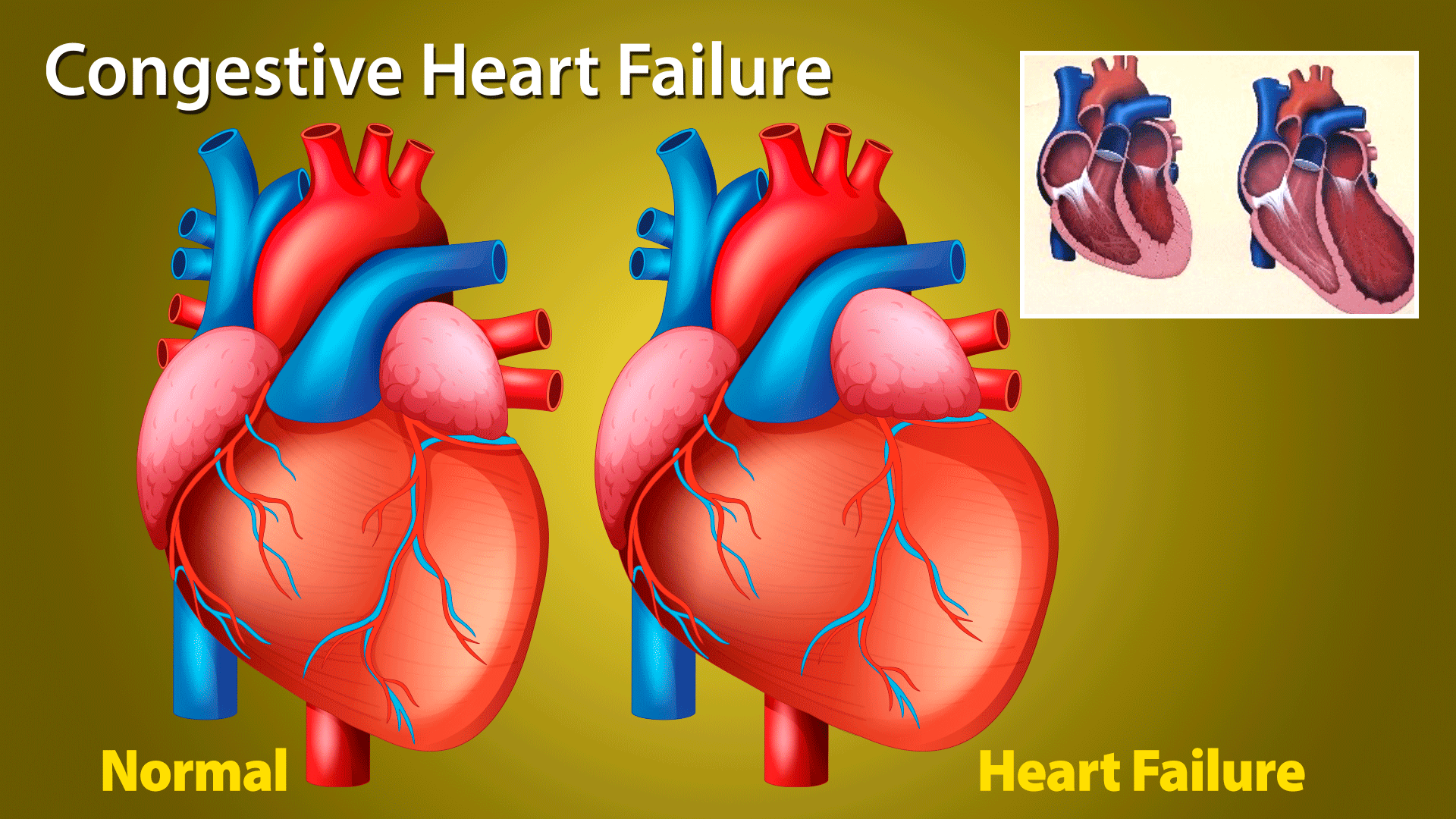
Heart failure doesn’t mean the heart has stopped—it means it can no longer keep up with the body’s needs.
A growing global epidemic, heart failure leaves millions struggling with fatigue, breathlessness, and fluid buildup. Classified as reduced or preserved ejection fraction, it demands precise treatment—from four cornerstone drugs that improve survival, to advanced options like implantable devices, left ventricle assist devices (LVADs), and even transplantation. Yet cost, donor shortages, and limited access remain major barriers, especially in low- and middle-income countries. (Chapter 12)
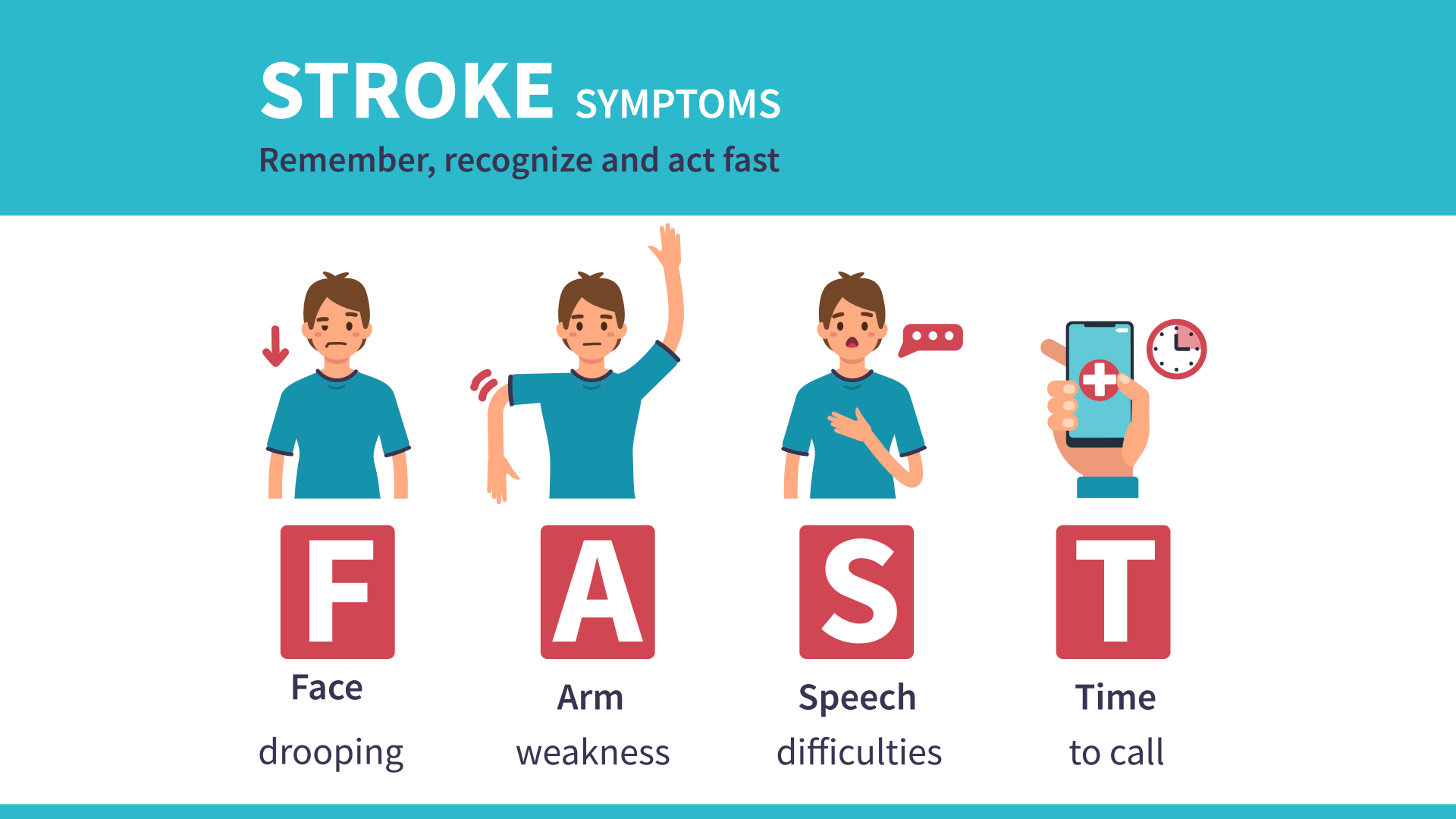
A stroke strikes the brain in an instant—and fast action can mean the difference between life and lasting disability.
Whether caused by a blocked artery or a brain bleed, stroke requires immediate medical attention—because every minute of lost blood flow harms brain tissue. Treatment varies by type, and rehabilitation is vital for recovery. Prevention starts with controlling blood pressure, cholesterol, and diabetes, combined with healthy lifestyle choices like exercise, a balanced diet, and avoiding tobacco and excess alcohol. (Chapter 12)

The best treatment for stable heart disease isn’t always surgery—it’s proven medicines and lifestyle changes.
Guideline-directed medical treatment (GDMT) saves lives by controlling angina, preventing heart attacks, and improving survival—often more effectively and safely than invasive procedures like stent and bypass surgery. In the U.S., this approach has halved bypass and stenting rates, while India continues to see a surge, driven by overestimating surgery’s benefits and undervaluing GDMT. With modern imaging tools like Coronary CT Angiogram (CCTA) and FFRCT, doctors can better tailor therapy, but education and adherence to guidelines remain critical to improving outcomes. (Chapter 10)
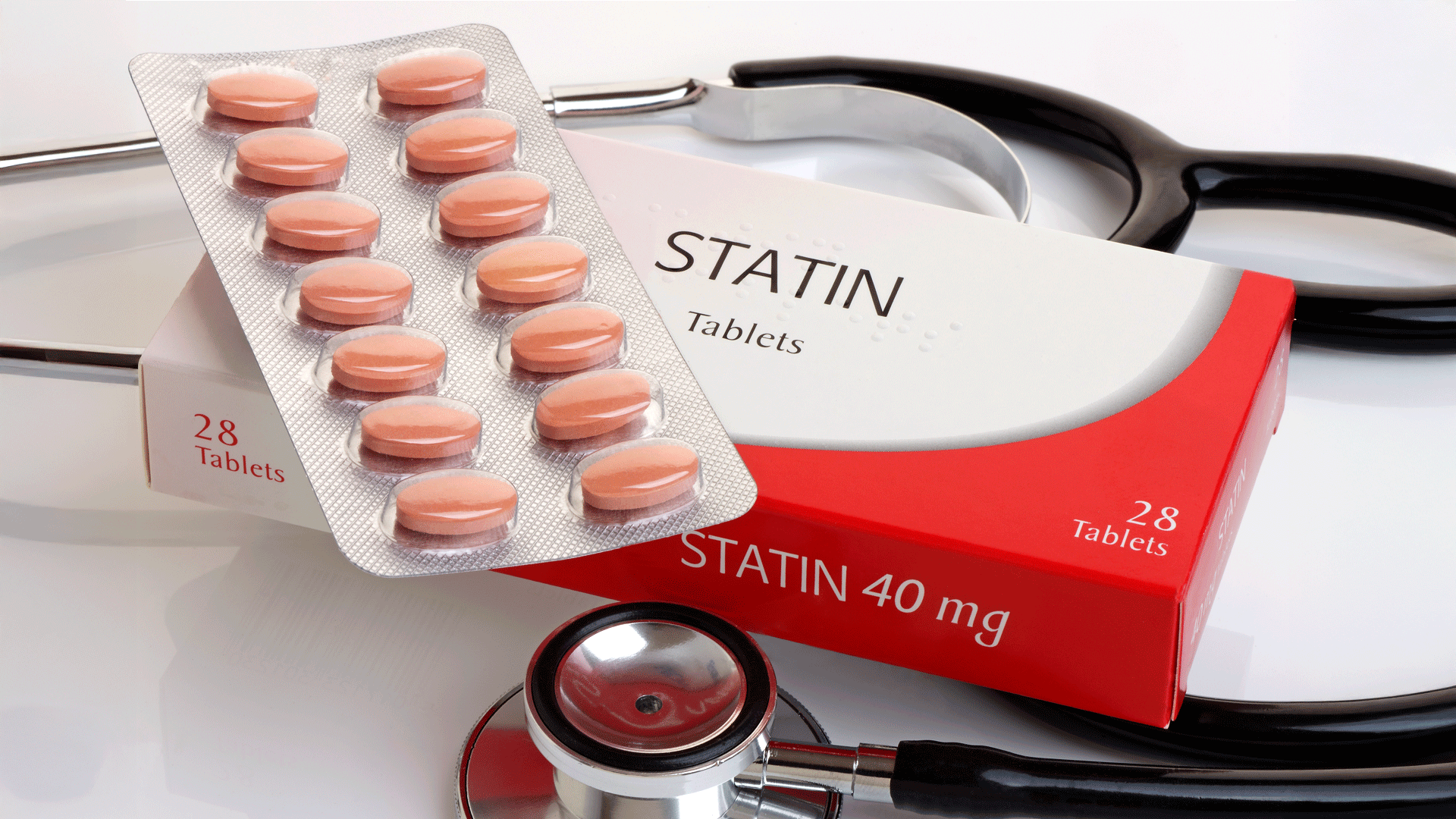
Statins are one of the most powerful tools we have to prevent heart attacks and strokes—yet they remain underused.
By lowering LDL cholesterol, statins directly slow atherosclerosis and cut the risk of major cardiovascular events, from heart attacks to strokes to sudden death. Early and appropriately dosed therapy benefits everyone, especially high-risk individuals, though even young Indians at seemingly low risk gain protection. Safe and widely used—including in children with high risk—statins are under prescribed in India, but overcoming barriers could prevent thousands of premature cardiovascular deaths. Statins are no longer reserved for people with high cholesterol. (Chapter 13)
For those at highest risk, statins alone may not be enough—non-statin therapies are changing the game.
Achieving stricter cholesterol targets is now possible with a range of non-statin options on top of statins or if statin is not tolerated. Ezetimibe adds safety and affordability, bempedoic acid helps those intolerant to statins, and PCSK9 inhibitors or inclisiran offer powerful LDL-C reduction for very high-risk patients. Lifestyle measures remain essential, especially for high triglycerides, but controlling LDL-C and non-HDL cholesterol stays the top priority for preventing heart attacks and strokes. (Chapter 14)
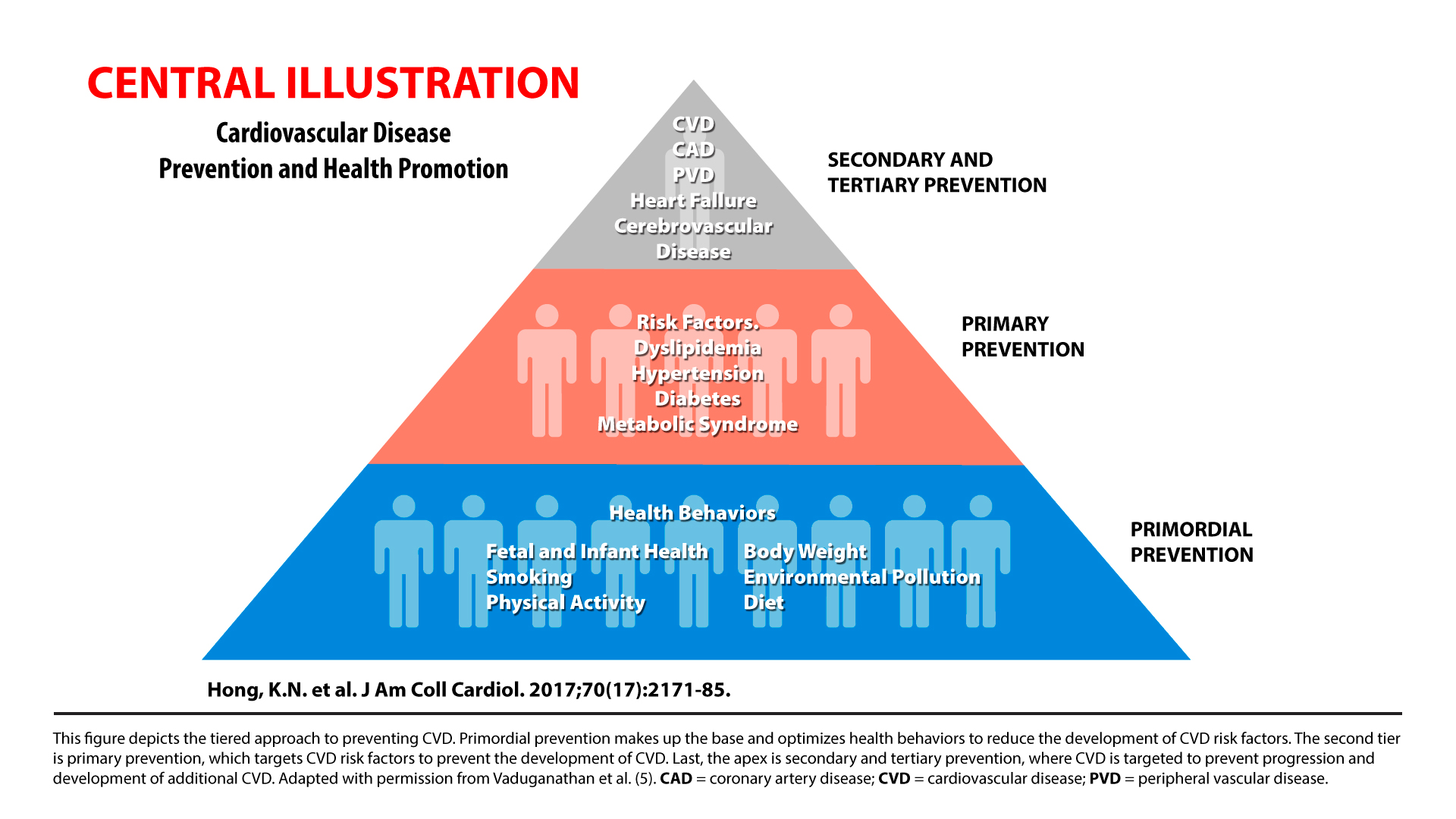
Primordial, primary and secondary prevention
Primordial prevention targets the prevention of risk factor emergence—such as dyslipidemia, hypertension, diabetes, and obesity—by promoting healthy behaviors and environments from early life. In India, where coronary artery disease presents one to two decades earlier than in Western populations, primordial prevention is especially critical.
Primary prevention focuses on controlling established risk factors—such as hypertension, dyslipidemia, diabetes, and tobacco use—before the onset of clinical cardiovascular disease. Nations implemented early and comprehensive risk factor control through public policy, health education, and smoking reduction have achieved substantial declines in cardiovascular mortality. Expanding India’s initiatives in dietary improvement, physical activity promotion, and evidence-based statin therapy offers enormous potential to reduce the burden of premature myocardial infarction and stroke. (Chapter 15)
Secondary Prevention focuses on individuals who survive a heart attack as they remain at substantially increased risk for recurrent events (heart attack) and premature death. Secondary prevention is therefore essential to stabilize atherosclerosis, prevent progression, and reduce recurrence. The four cornerstone therapies—aspirin, beta-blockers, statins, and ACE inhibitors or ARBs—collectively lower the risk of recurrent myocardial infarction by up to 80%, significantly improving survival and long-term quality of life. (Chapter 11)

What you eat can either protect your heart or put it at risk—especially in India.
South Asians, 70% of whom are Indians, score lowest on healthy diets, with typical Indian eating patterns high in refined carbs, sugars, and harmful fats, but low in fruits, vegetables, nuts, and fish. Swapping saturated and trans fats for unsaturated fats from nuts, oils, and avocados, and adopting a ‘portfolio diet’ rich in fiber, soy, and plant-based fats, can lower LDL cholesterol by up to 30%—matching the effect of moderate statin therapy. For very high triglycerides, reducing both fat and refined carbs is key to heart protection. (Chapter 16)
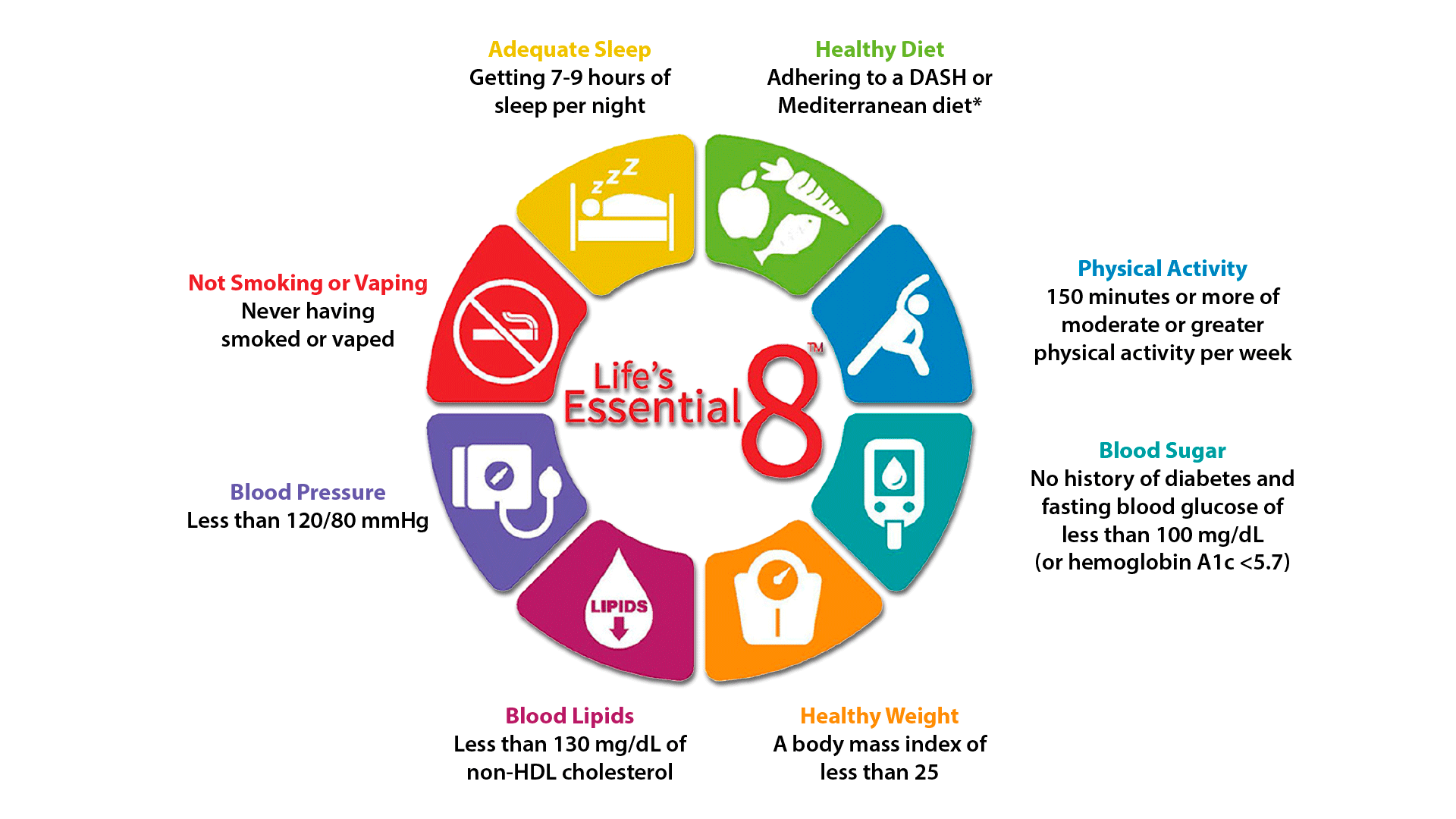
Heart health is built on eight essential habits and factors—tailored to the unique risks faced by Indians.
The American Heart Association’s Life’s Essential 8 combines four behaviors—like physical activity, healthy diet, not smoking and sleep—with four clinical factors to dramatically reduce cardiovascular risk. For Indians, stricter targets for weight, waist circumference, and cholesterol reflect higher cardiometabolic risk. Achieving these goals through education, lifestyle change, and coordinated care can lower both all-cause and heart disease mortality. (Chapter 17)