50 Years of CADI Research
50 Years of CADI Research: A Hidden Risk Exposed
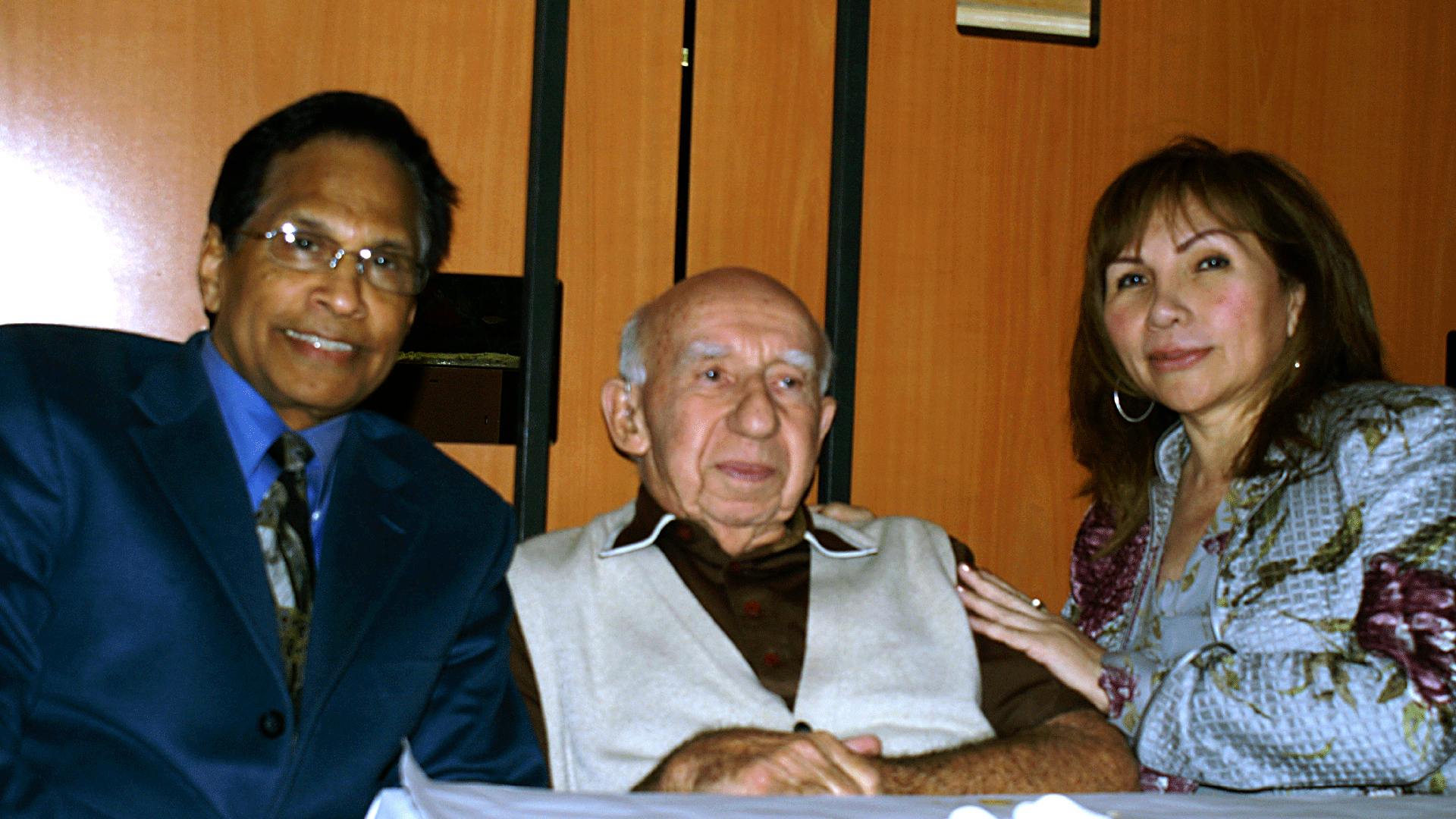
Dr. Enas with his mentor, Dr. Jeremiah Stamler.
The earliest warnings were personal and shocking. In the 1970s, I witnessed brilliant young Indian physicians—my colleagues—succumb to massive heart attacks. They possessed none of the traditional risk factors, yet no one could explain it, and few in the wider medical community believed it. Beyond a lone, obscure report from Singapore suggesting elevated risk among Indians, silence reigned. My friend and mentor, Salim Yusuf, provided a vital connection by introducing me to William Harlan at the NIH. This led to the design and execution of the landmark CADI Study. The collaboration—guided by Dr. Jeremiah Stamler, the acknowledged doyen of preventive cardiology at Northwestern University, and Dr. Yusuf, founding director of the Population Health Research Institute in Canada—was foundational. For the first time, the CADI Study delivered irrefutable data, showing a more than double rate of heart disease among Indian American physicians, despite their superior knowledge and access to world-class care.
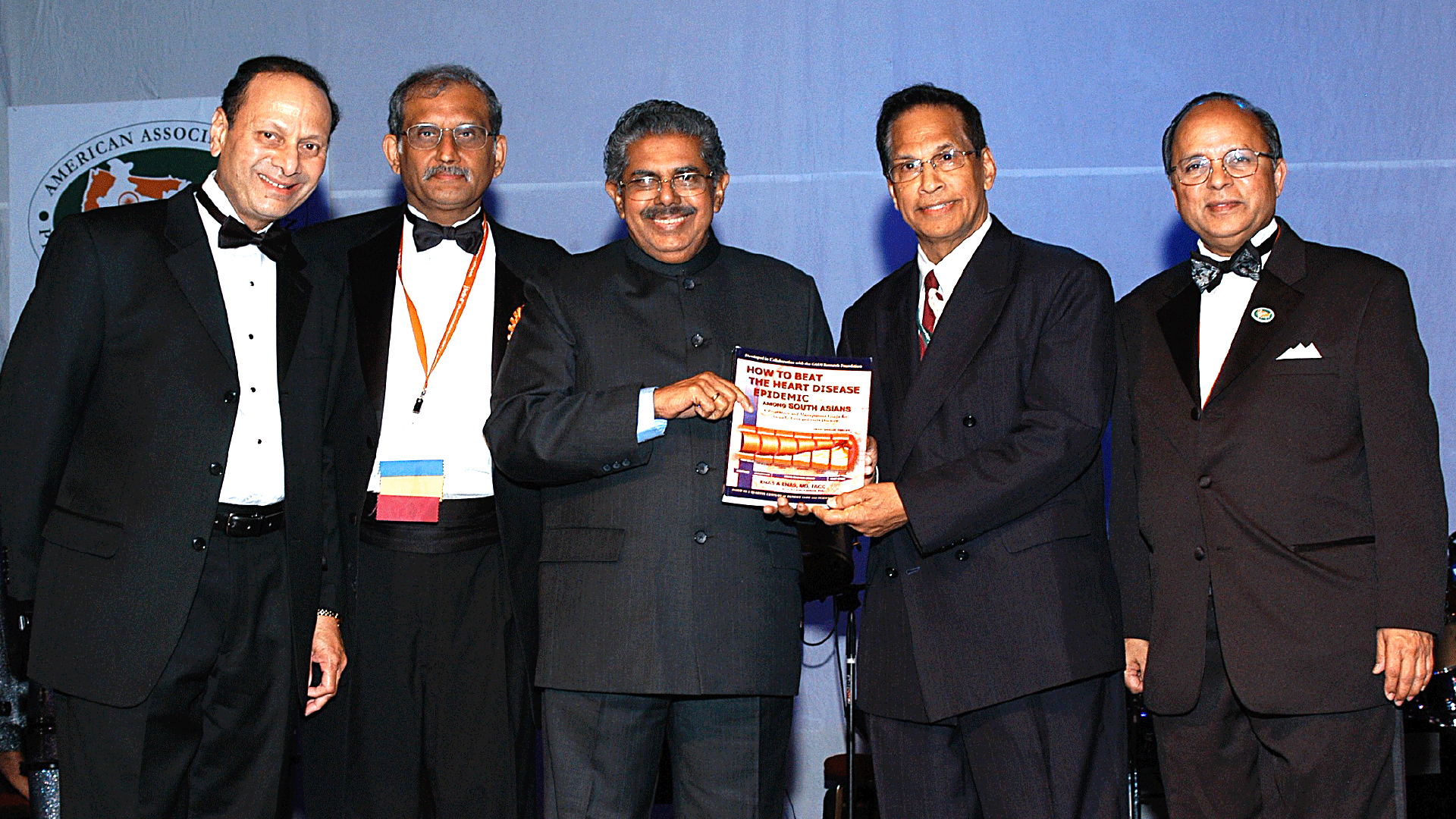
Dr. Enas with Honorable Vayalar Ravi (center) and past presidents of American Association of Physicians of Indian Origin (AAPI).
When I spoke out, I faced ridicule, scorn, even hostility. Yet the truth does not bend to disbelief. Through the CADI study, what was once dismissed became undeniable. What was once ridiculed became accepted knowledge. As more information became available I published How To Beat Heart Disease in South Asians, A Prevention and Management Guide for Indians and Their Doctors (2005). This book was formally inaugurated at the AAPI Convention by Honorable Vayalar Ravi (Cabinet Minister of the Government of India).
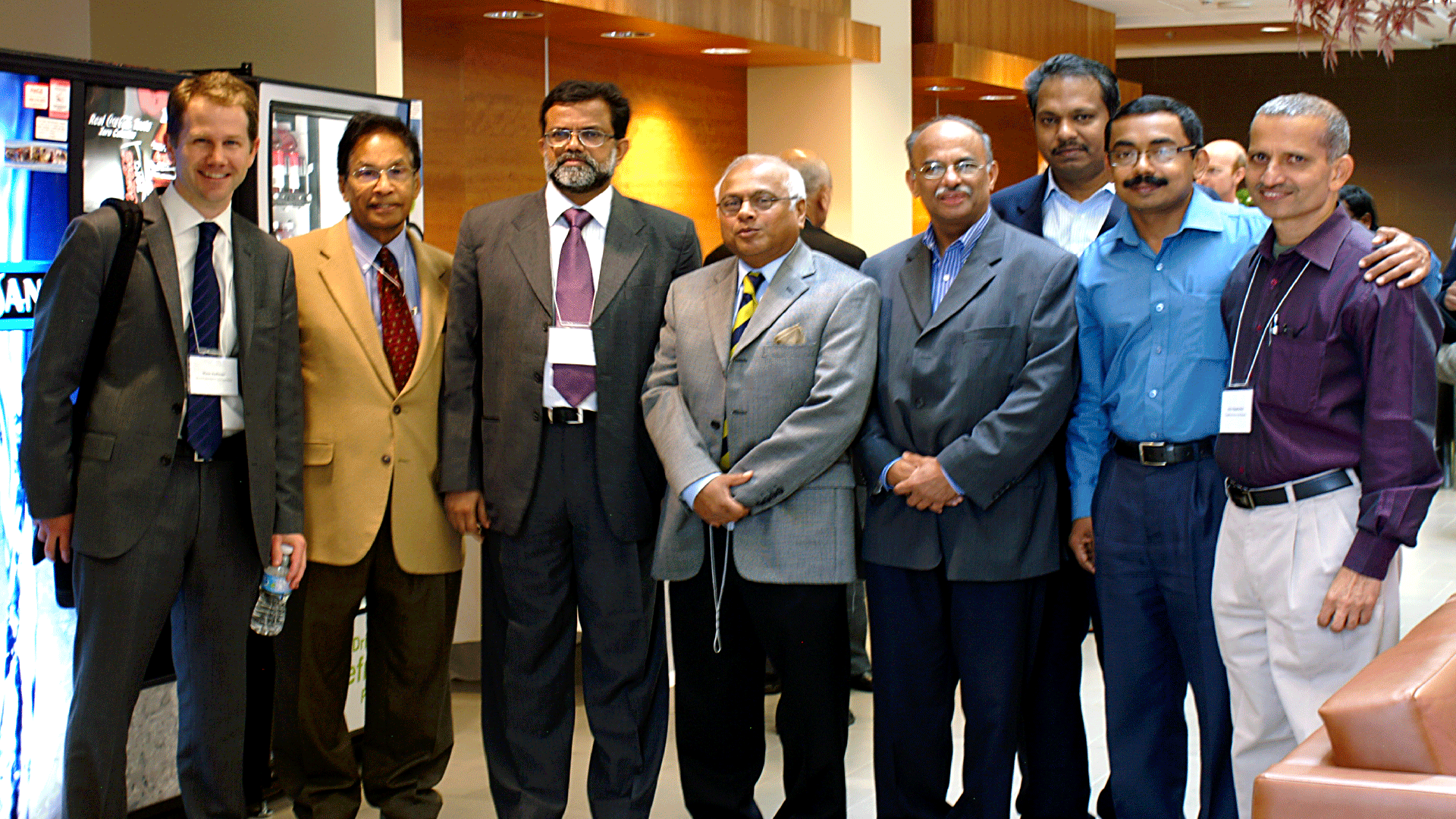
My collatoration with Salim (fourth from left) continues even today, attending many of the PHRI conferences. This picture was taken at the 2020 PHRI Conference in Hamilton, Ontario, Canada.
For five decades, I pursued this question relentlessly. My research has reshaped global medical guidelines, changed how physicians understand heart disease in Indians, and saved countless lives. The medical community now recognizes what I first observed decades ago: Indian ethnicity and elevated lipoprotein(a) are now understood as powerful, independent risk factors for cardiovascular disease. If I leave behind only one legacy, let it be the recognition that Indians face a unique and urgent vulnerability to heart disease. This knowledge has already saved lives, and it will save millions more. This is my enduring gift to medicine and to my community.
The catalysts for the CADI research are detailed in the prologue, and a summary of our progress can be found in the epilogue.